Archives
- 2026-09
- 2026-08
- 2026-07
- 2026-06
- 2026-05
- 2026-04
- 2026-03
- 2026-02
- 2026-01
- 2025-12
- 2025-11
- 2025-10
- 2025-09
- 2025-03
- 2025-02
- 2025-01
- 2024-12
- 2024-11
- 2024-10
- 2024-09
- 2024-08
- 2024-07
- 2024-06
- 2024-05
- 2024-04
- 2024-03
- 2024-02
- 2024-01
- 2023-12
- 2023-11
- 2023-10
- 2023-09
- 2023-08
- 2023-06
- 2023-05
- 2023-04
- 2023-03
- 2023-02
- 2023-01
- 2022-12
- 2022-11
- 2022-10
- 2022-09
- 2022-08
- 2022-07
- 2022-06
- 2022-05
- 2022-04
- 2022-03
- 2022-02
- 2022-01
-
Furthermore a recently published network meta analysis
2024-09-14
Furthermore, a recently published network meta-analysis including 30 trials in patients with hypertension and diabetes demonstrated that ARBs have efficacy similar to that of ACEIs for all-cause and cardiovascular mortality (HR 0.95, 95% CI 0.73 to 1.30 and HR 1.23, 95% CI 0.64 to 2.78, respectively
-
This study demonstrates numerical alterations of creatinine
2024-09-14

This study demonstrates numerical alterations of creatinine levels potentially reflecting ongoing or even higher myocardial contraction of the LAA after successful LAAC. Creatinine is the direct breakdown product of creatine in muscle, the key metabolite for energy supply during muscular and myocard
-
The G R mutation is located at the solvent
2024-09-14
The G1202R mutation is located at the solvent front of the ALK kinase domain adjacent to the inhibitor's binding pocket. Although barely reported in the setting of crizotinib resistance, it has emerged as the most refractory mutation to both the first- and second-generation ALK inhibitors. The large
-
Recently rather than predicting categorical variables as in
2024-09-14
Recently, rather than predicting categorical variables as in classification, several studies begin to estimate continuous clinical variables from bicuculline images. Therefore, instead of classify a subject into binary or multiple pre-determined categories or stages of the disease, regression focus
-
In this study using pure enzyme preparations of human
2024-09-14
In this study, using pure enzyme preparations of human placental recombinant AR (hAR) and of AR isolated from bovine lens (bAR), which behave as Michaelis WP1066 sale with glyceraldehyde as substrate, is shown that an apparent negative cooperativity action for glucose still occurs. We present evide
-
Gliomas and Aldehyde Dehydrogenase Aldehyde dehydrogenases A
2024-09-14
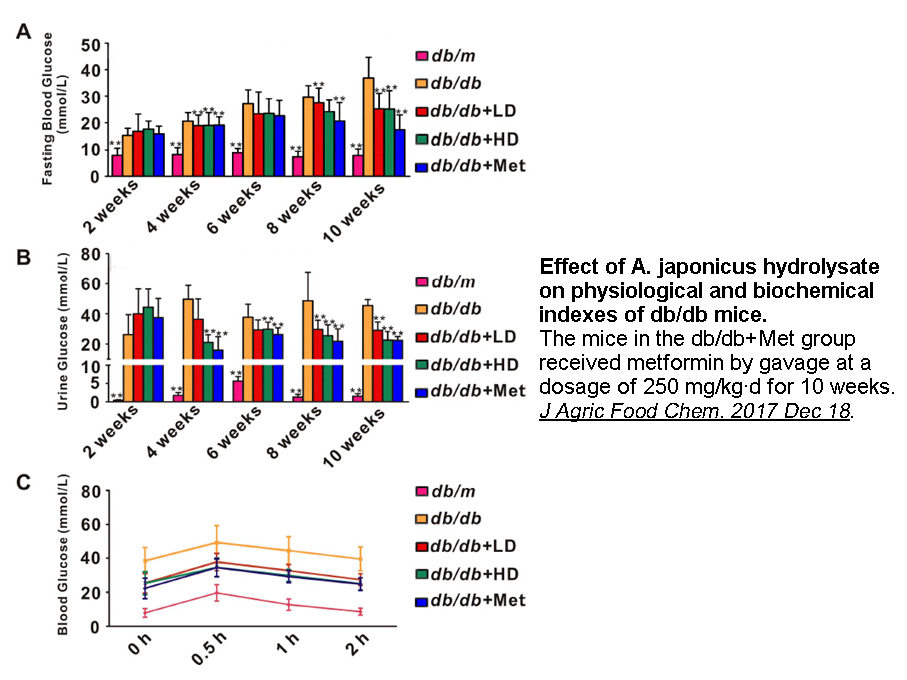
Gliomas and Aldehyde Dehydrogenase Aldehyde dehydrogenases (ALDHs) are key metabolic enzymes involved in regulation of glycolysis/gluconeogenesis pathways as well as in the detoxification of endogenous and exogenous aldehydes, regulating cell function and homeostasis. ALDHs play important roles in
-
Last decade has provided a number of studies indicating that
2024-09-14
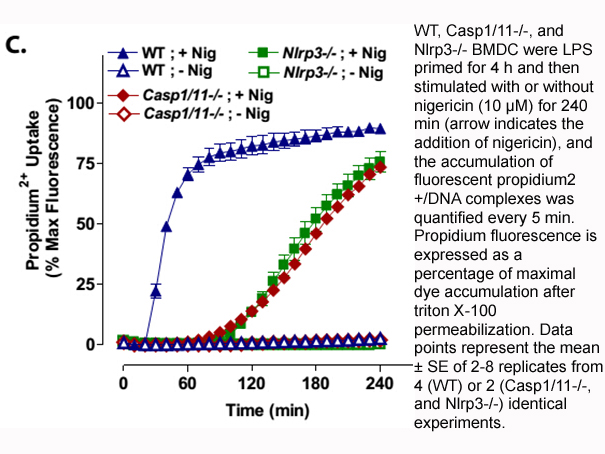
Last decade has provided a number of studies indicating that AhR signaling could play a role both in the development and in progression of multiple cancer types, with potential implications for cancer therapy (for review see (Kolluri et al., 2017; Murray et al., 2014)). Activation of AhR is consider
-
Until now there are no report regarding the relationship
2024-09-14
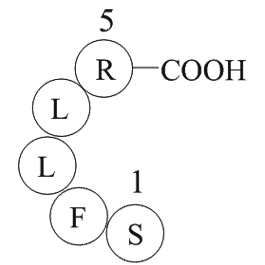
Until now, there are no report regarding the relationship of CD21 and MG. In the present study, we aimed to characterize the AchR specified W-7 hydrochloride and investigated the role of CD21 in immunopathogenesis of MG. We utilized the Allophycocyanin (APC)-conjugated AchR to measure the frequenci
-
SR 59230A hydrochloride The present study showed for
2024-09-13
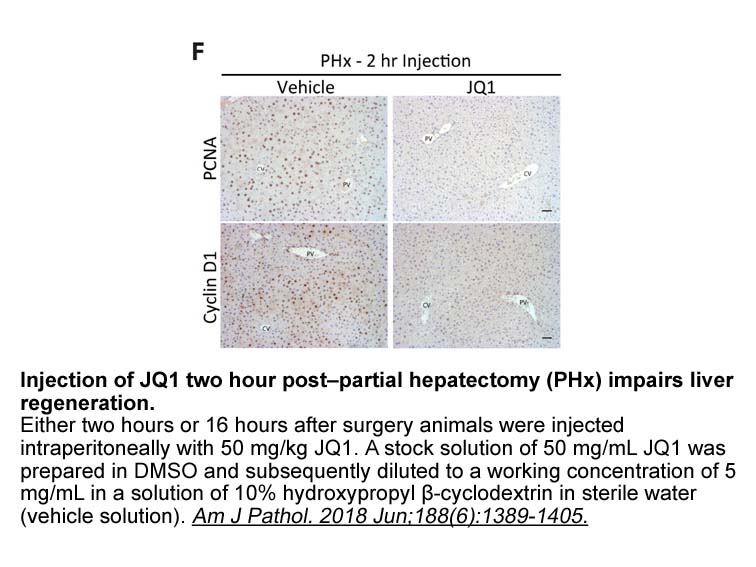
The present study showed, for the first time, that hirsutine, hirsuteine, rhynchophylline, isorhynchophylline, corynoxeine, and isocorynoxeine in yokukansan can inhibit the 5-HT3 receptor current. These data indicate that part of the effect of yokukansan against the behavioral and psychological symp
-
Nemonapride sale The most potent compounds within the curren
2024-09-13
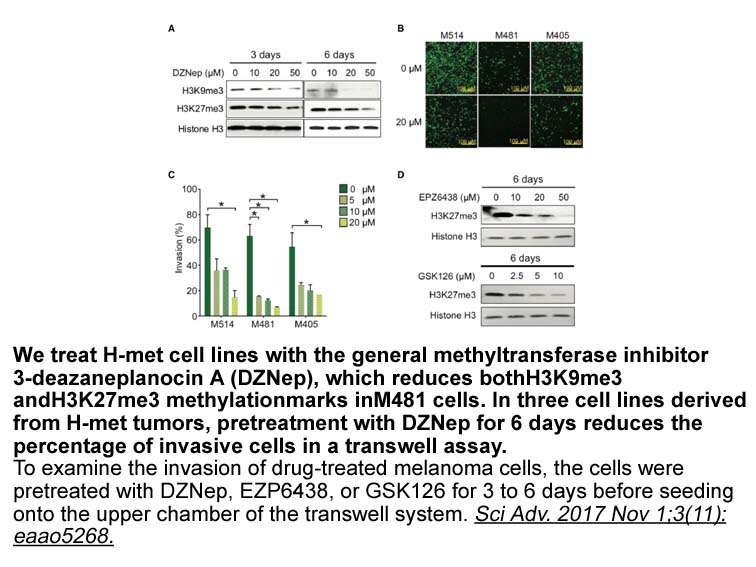
The most potent compounds within the current series of compounds were therefore , , , , and , with Nemonapride sale possessing the best selectivity towards the lyase reaction in comparison to the hydroxylase reaction, indeed, this compound was found to possess an IC value of 1210nM against the 17
-
HCC aetiology is multifactorial and the
2024-09-13
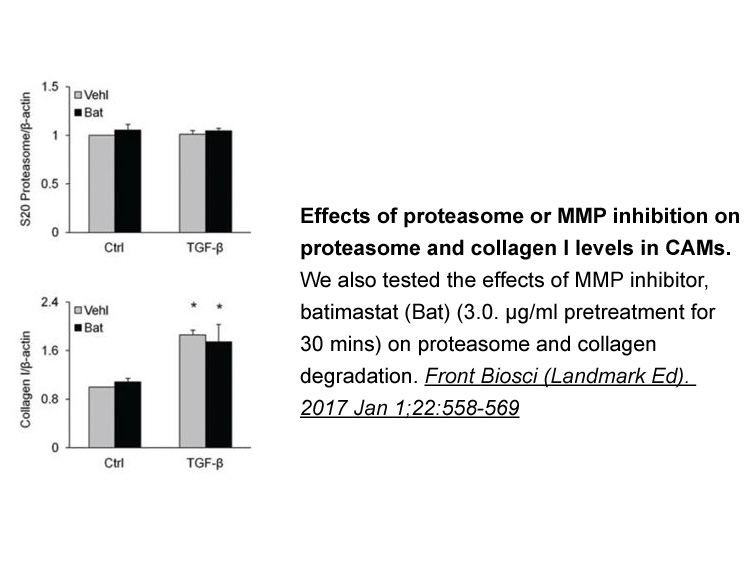
HCC aetiology is multifactorial and the disease is often preceded by other conditions including liver fibrosis and cirrhosis that are associated with HCV, HBV, alcoholic and non-alcoholic hepatitis. The discovery of new therapeutic targets will require a greater understanding of the pathogenic mecha
-
br Materials and methods br
2024-09-13
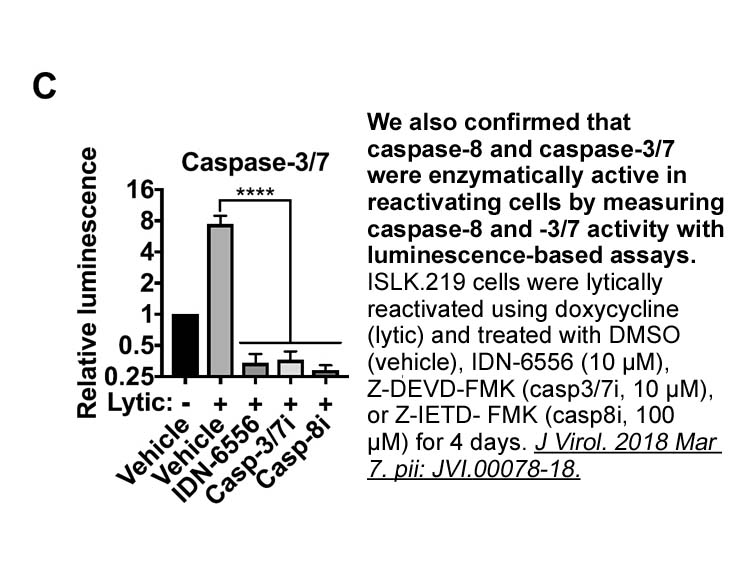
Materials and methods Results Discussions Our results indicated that autophagy was suppressed in GECs under HAGG treatment, through Akt/mTOR-dependent pathways. Previous reports provided clues for the linkages between ICs and endothelial cell autophagy. Fujii and colleagues reported that se
-
Enhancers are short regions of DNA that are bound by
2024-09-13
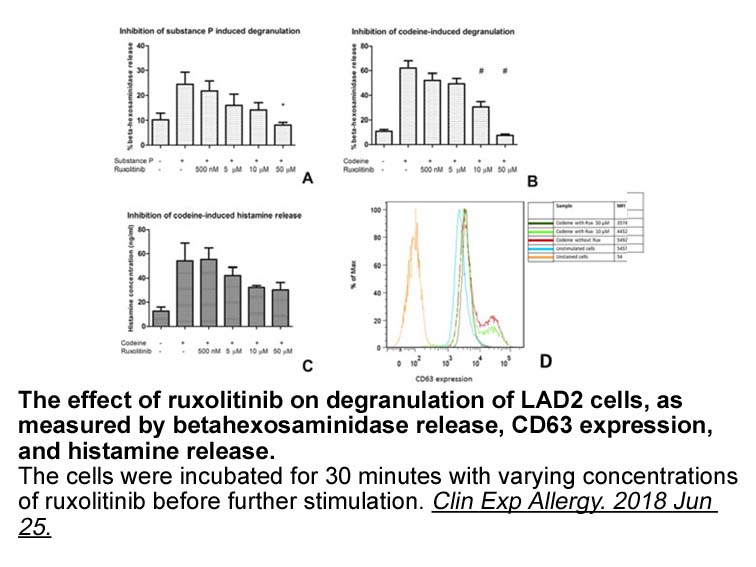
Enhancers are short regions of DNA that are bound by DNA-binding proteins (TFs) to increase the likelihood of a particular gene to be expressed. Importantly, enhancers can be identified, and classified, by their patterns of chromatin accessibility and of enrichment in certain histone modifications.
-
S-Adenosylhomocysteine For all three fluorescent dyes used
2024-09-13
For all three fluorescent dyes used, the double-labeled UQ-bodies showed higher antigen responses. A plausible mechanism for the higher quenching observed for the double-labeled UQ-bodies is the dye-dye quenching due to H-dimer formation [19] between the two dyes introduced into the Fd and L chains.
-
br Materials and methods br Results br Discussion We
2024-09-13
Materials and methods Results Discussion We have in this study used semi-nested degenerative PCR to identify the lipoxygenases expressed in the lung tissue from M. fascicularis and report on the identification of 5- and 12/15-LO transcripts from this tissue. Although we did not find transcr
8078 records 119/539 page Previous Next First page 上5页 116117118119120 下5页 Last page